Sixty-one coastal nations signed a binding agreement in Lisbon on Thursday that will place nearly a third of the world's open ocean under new protections, ending more than a decade of stop-start negotiations.
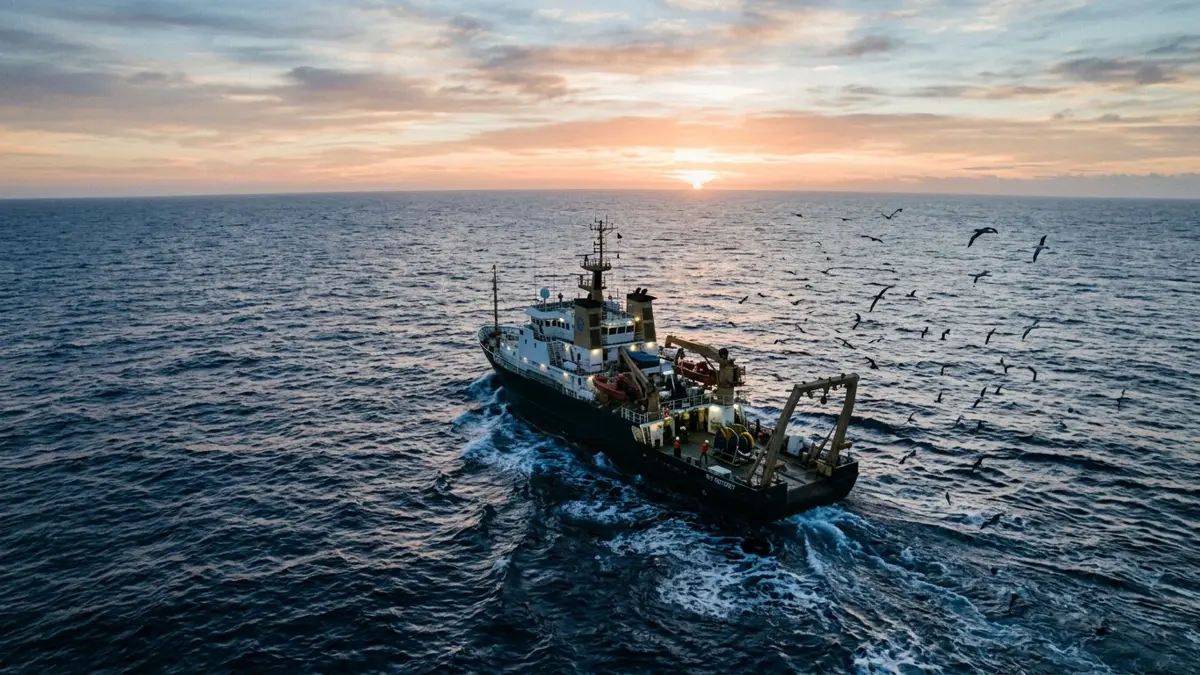
The pact creates a network of marine protected areas beyond national waters, where industrial fishing will be capped and deep-sea mining prohibited until an independent scientific panel judges it safe. Signatories also committed to a shared fund to pay for satellite monitoring of fishing fleets.
"For the first time, the high seas are not a place where anything goes," said the conference chair as delegates rose to applaud shortly after midnight. "This is the ocean's equivalent of drawing the first national parks."
What changes, and when
The agreement enters into force once 40 countries have ratified it, which negotiators expect within two years. In the meantime, a transitional council will begin mapping the first protected zones, starting with seamount chains in the South Pacific and the Sargasso Sea.
- Fishing: catch limits on tuna, swordfish and deep-water species in protected areas.
- Mining: a moratorium on commercial seabed extraction pending scientific review.
- Enforcement: shared satellite tracking and port inspections for flagged vessels.
Critics remain
Several large fishing nations declined to sign, arguing the limits would hurt coastal communities that depend on distant-water fleets. Environmental groups welcomed the deal but warned that enforcement would decide whether it worked.
"Lines on a map don't protect anything on their own," said one ocean policy researcher. "The test is whether a trawler in the middle of the Pacific believes someone is watching."
The next round of talks, focused on funding, is scheduled for spring.